Bathroom Accessories World Home

Welcome to Bathroom Accessories World, your trusted source for in-depth reviews and expert recommendations on bathroom accessories. Whether you’re upgrading a master bath, outfitting a small apartment bathroom, or planning a full renovation, our editorial team has researched and reviewed hundreds of products to help you make confident, well-informed decisions. From everyday essentials like towel bars and bath mats to high-tech smart mirrors and bidet toilet seats, this buying guide covers everything you need to transform your bathroom into a functional, comfortable space.

Towel Bars and Rings: What to Buy and Why

Towel bars and rings are among the most-replaced bathroom accessories — and for good reason. The right finish and mounting style can make a real difference in both function and longevity. Prices range from $15 to $150 depending on material, brand, and bar length. Stainless steel options from Moen, available in 18- and 24-inch lengths, typically run $25–$45 and resist rust reliably for 10 or more years in humid environments. Chrome-finished rings from Delta ($20–$35) are a smart pick for smaller bathrooms under 50 square feet where wall space is limited.

In our experience, the mounting method matters as much as the material. No-drill adhesive towel bars hold up to 22 pounds and are an excellent solution for renters or anyone who can’t make permanent modifications. Traditional wall-mounted bars require drilling but support 40 or more pounds of wet towels — a meaningful difference for families. Either way, installation typically takes 15–30 minutes with a drill, level, and screwdriver.

Material Choices and Long-Term Durability

Brushed nickel resists fingerprints significantly better than chrome, making it a low-maintenance choice for busy bathrooms. Brass fixtures cost roughly 40% more upfront but are known to last 25 or more years, compared to 10–15 years for standard metal finishes. Oil-rubbed bronze is a natural fit for farmhouse or traditional bathroom styles, though it does require more regular cleaning to prevent water spot buildup. Our recommendation: match the finish to your existing hardware and prioritize stainless or brushed nickel if durability is your top concern.

Read our full towel bar and ring reviews, including top picks by finish and price range.

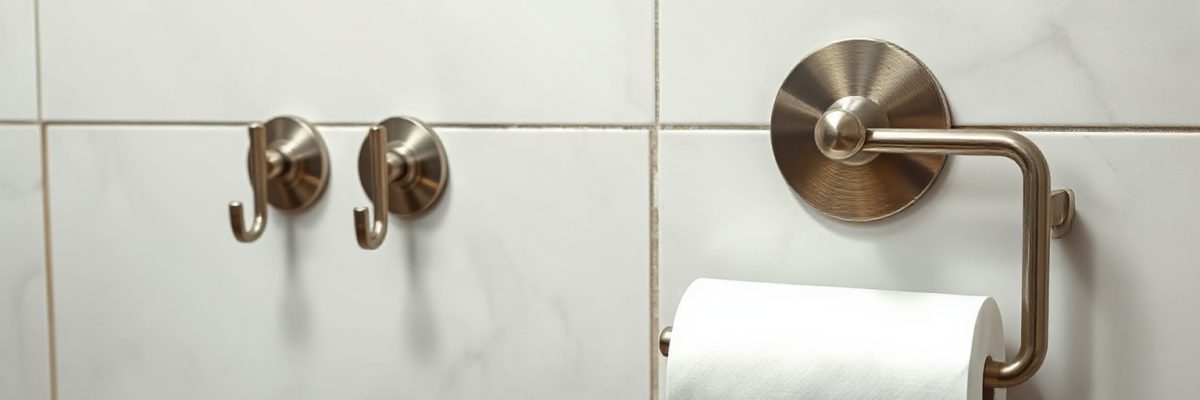
Brushed nickel towel bar and ring set mounted in a modern white bathroom

High-Tech Bathroom Gadgets Worth the Investment

Smart bathroom technology has moved well beyond novelty. Today’s high-tech bathroom gadgets offer genuine quality-of-life improvements — and many pay for themselves over time. Automatic soap dispensers ($30–$80) eliminate the need to touch a pump, which helps reduce the spread of germs in shared bathrooms. Motion sensors typically activate within 0.2 seconds and dispense adjustable amounts between 0.5 and 3ml. Battery life on most models averages around 12,000 uses, or roughly six months of daily household use.

Bidet Toilet Seats: Features and Real-World Value

Bidet toilet seats are one of the most impactful upgrades you can make to a bathroom. Models range from $200 to $600 and include features like heated seats (adjustable from 95–104°F), multiple water pressure settings, and self-cleaning nozzles. For a family of four, the reduction in toilet paper use can translate to meaningful annual savings. Installation requires a nearby electrical outlet — something worth confirming before purchasing.

LED Smart Mirrors for Everyday Routines

Bluetooth-enabled mirrors with built-in defogging ($150–$400) stay clear for 20–30 minutes after hot showers, eliminating the post-shower wipe-down. Built-in LED strips offer color temperature options from 3,000K (warm) to 6,000K (daylight), with touch controls to adjust brightness between 10% and 100%. This makes them genuinely useful for makeup application, skincare routines, and low-light nighttime use.

Explore our reviewed and rated picks for the best smart bathroom gadgets at every price point.

Wall-mounted LED smart mirror with defogging above a double bathroom vanity

Shower Heads: Rain, Handheld, and Water-Saving Options

A quality shower head upgrade is one of the fastest, most affordable ways to improve your daily bathroom experience. Rain shower heads measuring 8–12 inches ($40–$200) deliver 1.8–2.5 gallons per minute while feeling significantly more generous through air-injection technology. Ceiling-mount installations require a minimum ceiling height of 78–84 inches. Grohe, Kohler, and Hansgrohe are consistently well-regarded brands in this category and typically offer 5-year warranties.

Handheld Shower Heads: Flexibility and Everyday Usefulness

Handheld models with 60–72 inch hoses ($25–$150) are worth considering for almost any bathroom. Most include five spray settings — rain, massage, mist, pause, and combination — and magnetic docking to keep the head secure between uses. They’re particularly practical for cleaning the tub, bathing children or pets, and assisting with mobility-related bathing needs.

Water-Saving Shower Heads: EPA WaterSense Certified Options

EPA WaterSense certified shower heads use at least 30% less water than standard models while maintaining satisfying pressure through aerating nozzles. LED color-changing models ($35–$80) shift from blue to red at around 95°F — a genuinely useful temperature indicator that requires no batteries, as water flow powers the lights. If reducing utility costs is a priority, WaterSense certification is the clearest benchmark to look for.

See our ranked shower head reviews, including best rain shower heads, best handheld models, and best water-saving picks.

Large rain shower head ceiling-mounted in a walk-in tile shower enclosure

Bathroom Storage Solutions: From Shelving to Shower Caddies

Clutter is one of the most common bathroom frustrations — and the right storage accessories can solve it without a renovation. Over-toilet shelving units ($40–$120) add 15–20 square feet of usable storage without touching your floor space. Three-tier models typically hold 30–50 pounds total, and most assemble in 30–45 minutes with included hardware. Heights range from 60–68 inches, making them accessible for most users.

Wall-Mounted Shelves and Medicine Cabinets

Floating shelves ($20–$60 per shelf) support 15–35 pounds depending on the wall anchors used. Medicine cabinets with integrated mirrors ($50–$300) add hidden storage for medications and toiletries while serving double duty as a mirror. Recessed models save 4–6 inches of projection versus surface-mounted options — a meaningful consideration in tighter bathrooms.

Shower Caddies: Which Type Works Best for Your Setup

Tension-pole shower caddies ($25–$70) adjust to fit ceilings between 5 and 9 feet without any drilling — our top pick for renters. Suction cup organizers ($15–$40) work well on smooth tile but are unreliable on textured surfaces. Hanging caddies ($10–$30) fit over shower doors up to 2.5 inches thick and are the most budget-friendly option. The bottom line: match the caddy type to your shower surface and installation constraints before buying.

Browse our full bathroom storage reviews, including top-rated shelves, caddies, and medicine cabinets.

White ceramic soap dish mounted on a bathroom wall beside a sink

Heated Towel Rails: Electric vs. Hydronic, and How to Choose

Heated towel rails are a comfort upgrade that many people underestimate until they’ve used one. Electric models ($150–$500) warm towels to 120–140°F in 30–45 minutes. At 2–4 hours of daily use, operating costs average just $0.50–$1.50 per month — a modest expense for a genuinely pleasant daily experience. Hardwired installation adds $200–$400 for an electrician, while plug-in models can be installed in about an hour without any electrical work.

Electric vs. Hydronic Heated Towel Rails

Plug-in electric rails are the more flexible option — no plumbing required, and they work year-round. Hydronic models connect to your home’s central heating system, providing warmth passively during the heating season (typically October through April in most climates), but they won’t function in warmer months without supplemental electric capability. Electric models cost roughly 20% more to operate annually than hydronic versions, but the installation simplicity often makes them the more practical choice.

Sizing Your Heated Towel Rail Correctly

Sizing matters for effective heating. Small bathrooms under 40 square feet are adequately served by 500–750 BTU rails. Medium bathrooms between 40 and 75 square feet typically need 750–1,000 BTU. Adding a timer control can reduce energy consumption by around 40% by limiting operation to your morning and evening routines. Stainless steel rails heat approximately 25% faster than painted models — a practical consideration if quick warm-up time is important to you.

Read our heated towel rail reviews, with recommendations by bathroom size and installation type.

Stainless steel heated towel rail mounted on a bathroom wall with folded white towels

Bath Mats and Rugs: Safety, Comfort, and the Right Fit

A good bath mat is one of the simplest, most overlooked safety and comfort accessories in any bathroom. Non-slip bath mats ($15–$60) significantly reduce slip risk on wet floors — an important consideration for households with children or older adults. Memory foam options (0.5–1.5 inches thick) provide noticeable underfoot cushioning. Machine-washable mats maintain grip and hygiene with regular washing at 140°F and typically last 1–2 years with weekly washing.

Bath Mat Materials: Absorption, Drying Time, and Durability

Microfiber mats absorb large amounts of water relative to their weight and dry in 2–3 hours — making them a practical everyday choice. Cotton mats take 4–6 hours to dry but feel softer underfoot. Bamboo options resist mildew more effectively than cotton, which is worth considering in high-humidity bathrooms. Quick-dry chenille mats are ready for reuse in 1–2 hours, a good fit for bathrooms used frequently throughout the day.

Bath Mat Sizing Guide for Every Bathroom Layout

Standard tubs need a mat of at least 17×24 inches. Walk-in showers generally require 20×32 inches or larger. Double vanities are well served by a 24×60 inch runner. One often-missed detail: rubber backing adds approximately 0.25 inches to total height, which can affect door clearance in tighter layouts. Replace any mat showing visible wear, reduced grip, or persistent odor — typically after 12–18 months of regular use.

See our bath mat reviews and size recommendations, organized by bathroom type and material preference.

Teak wood bath stool beside a freestanding bathtub in a spa-style bathroom

Frequently Asked Questions About Bathroom Accessories

What is the most durable finish for bathroom towel bars?

Brushed nickel and stainless steel are the most durable finishes for bathroom towel bars. Brushed nickel resists fingerprints and water spots better than polished chrome and is well-suited to humid bathroom environments. Solid brass fixtures offer exceptional longevity — often 25 or more years — but come at a higher price point. Chrome is an affordable entry-level option but requires more frequent cleaning to maintain its appearance.

Are bidet toilet seats worth the investment?

For most households, yes. Bidet toilet seats ($200–$600) reduce ongoing toilet paper expenditure, and many users find the experience more comfortable and hygienic than traditional use. Features like heated seats, adjustable water pressure, and self-cleaning nozzles add real daily value. The main requirement is a nearby electrical outlet — confirm this before purchasing. Most installations are straightforward and do not require a plumber.

What shower head should I choose for low water pressure?

For homes with low water pressure, look for shower heads specifically marketed as “high-pressure” or “pressure-compensating.” These models use narrower nozzles or internal pressure chambers to intensify flow regardless of supply pressure. Avoid wide rain shower heads in low-pressure situations, as they tend to produce a weak, unsatisfying spray. Handheld shower heads with massage settings are often a practical alternative.

How do I choose the right shower caddy for a rental apartment?

For rentals where drilling is not permitted, tension-pole shower caddies are the best option. They wedge securely between floor and ceiling without adhesive or hardware and can hold a substantial amount of product. On smooth tile surfaces, suction cup caddies also work reliably. Avoid adhesive-backed caddies unless you’re confident the adhesive can be removed cleanly — some leave residue or pull off tile grout.

How often should bath mats be replaced?

Most bath mats should be replaced every 12–18 months with regular weekly washing. Key signs it’s time to replace: visible thinning of the pile, reduced or absent grip on the underside, persistent musty odor that doesn’t wash out, or visible mold or discoloration. High-traffic bathrooms may need more frequent replacement. Quick-dry microfiber and bamboo mats generally hold up better over time than standard cotton options.

At Bathroom Accessories World, our goal is straightforward: give you the honest, experience-backed information you need to shop with confidence. Every product category on this site has been researched with real use cases in mind — not just spec comparisons. Browse our individual review categories to find the right accessories for your bathroom, your budget, and your style.

Scroll to Top